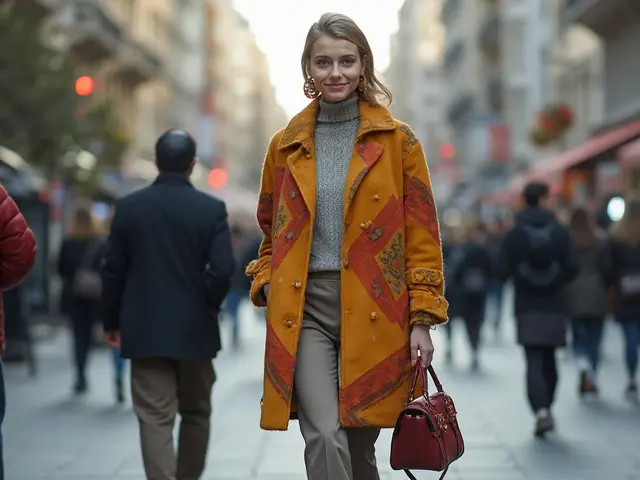
You’ve seen them on billboards, magazine covers, and Instagram feeds-faces so iconic they don’t need last names. Supermodels aren’t just models. They’re cultural forces who changed how the world sees beauty, power, and style.
What Exactly Is a Supermodel?
A supermodel isn’t someone who walks a runway once and gets a photo in a magazine. It’s someone who becomes a household name, commands six-figure contracts, and influences trends across continents. Think Cindy Crawford, Naomi Campbell, Linda Evangelista, Claudia Schiffer, and Kate Moss. These women didn’t just wear clothes-they made them matter.
The term exploded in the late 1980s and early 1990s. Before that, models were background figures. Agencies kept them quiet. But then, suddenly, they were on the front page of Vogue, starring in music videos, and gracing the covers of Time and Newsweek. Supermodels became celebrities before celebrities were obsessed with being influencers.
What set them apart? It wasn’t just looks. It was attitude. Confidence. A sense that they owned the room-even when they were standing still. They turned fashion from a niche industry into a global spectacle.
How Supermodels Changed Beauty Standards
Before supermodels, beauty was narrow: mostly white, tall, slender, and with a very specific facial structure. Supermodels didn’t just fit that mold-they shattered it.
Naomi Campbell broke barriers as one of the first Black supermodels to dominate international runways and magazine covers. Tyra Banks brought curves and charisma to a scene that often ignored them. Iman brought African elegance to European runways. And later, Gigi Hadid and Adut Akech showed that heritage and hybrid identities could be the new standard.
They didn’t just represent beauty-they expanded it. Suddenly, beauty wasn’t one face. It was many. And that shift didn’t come from brands suddenly deciding to be inclusive. It came from supermodels demanding space, walking out of shows that didn’t cast diverse models, and using their platforms to call out exclusion.
Today’s fashion campaigns look different because of them. You don’t see a runway with only one skin tone anymore because supermodels made it unacceptable.
The Rise of the Supermodel Empire
Supermodels didn’t stop at modeling. They built empires.
Cindy Crawford launched a line of home fitness videos that sold millions. Linda Evangelista famously said, “We don’t wake up for less than $10,000 a day,” and she meant it-she was negotiating pay like a CEO. Naomi Campbell started her own foundation for young models. Kate Moss became a fashion designer with her own label, and her “heroin chic” look became a defining aesthetic of the 90s.
They weren’t just faces. They were brands. And they knew how to leverage their fame. They appeared on talk shows, did commercials for Coca-Cola and Pepsi, starred in movies, and even got their own fragrances. Their names became trademarks.
That’s the real legacy: they proved a model could be more than a mannequin. They could be entrepreneurs, activists, and cultural icons.
How Supermodels Shaped Modern Fashion
Before supermodels, fashion shows were private events for buyers and editors. Then came the 1990s, and suddenly, everyone wanted to see what the models were wearing.
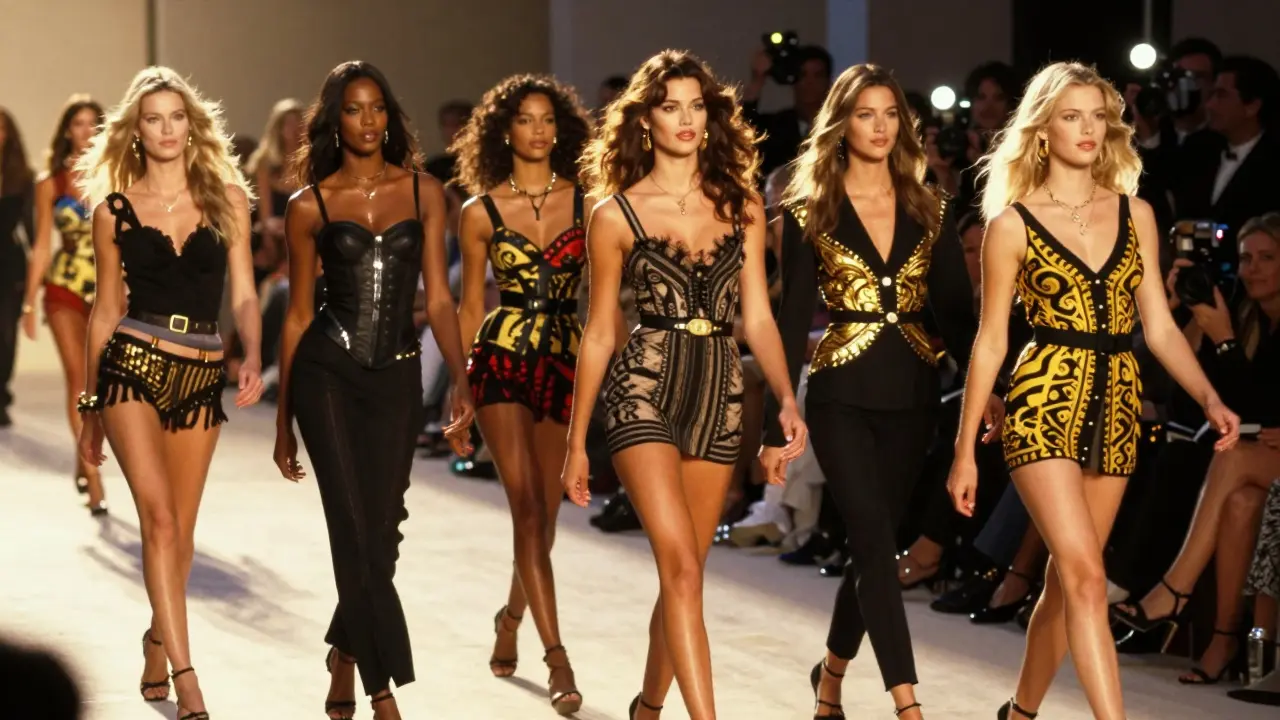
Supermodels turned runway shows into global events. The Versace show with Naomi, Cindy, and Claudia walking to George Michael’s “Freedom!” became one of the most iconic moments in fashion history. It wasn’t just a show-it was a performance. And people watched it like a concert.
They also changed how clothes were marketed. Designers no longer just showed garments-they showed stories. A supermodel wearing a dress wasn’t just displaying fabric. She was embodying a mood: rebellion, power, sensuality, freedom.
Today, every fashion campaign tries to capture that same energy. Whether it’s a Gen Z influencer or a TikTok star, they’re still chasing the supermodel formula: authenticity, charisma, and a strong point of view.
Who Are Today’s Supermodels?
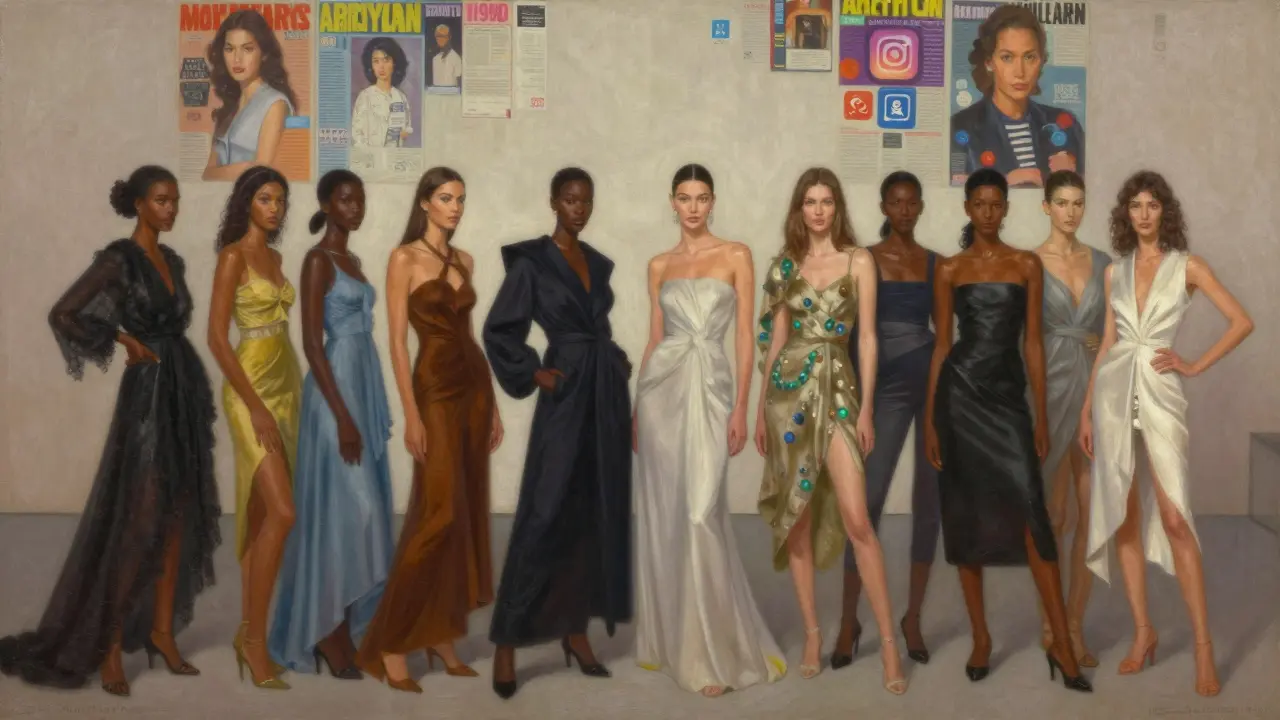
There’s no official list anymore. The industry doesn’t crown supermodels the way it used to. But some names still carry that weight.
Behati Prinsloo doesn’t just walk for Victoria’s Secret-she’s a mother, entrepreneur, and global ambassador for sustainable fashion. Bella Hadid doesn’t just wear clothes-she redefines street style with every outfit. Adwoa Aboah uses her platform to talk about mental health in fashion, something no supermodel of the 90s dared to do openly.
And then there’s the new wave: models like Kaia Gerber, who grew up in the shadow of her mother Cindy Crawford, and Anok Yai, who brought African beauty to the highest runways in Paris and Milan. They’re not just following in footsteps-they’re paving new ones.
Today’s supermodels are more diverse, more vocal, and more connected than ever. They don’t wait for permission. They post their own photos, launch their own brands, and call out injustice on Instagram.
Why Supermodels Still Matter in 2025
You might think social media killed the supermodel. After all, anyone with 100K followers can be called an “influencer.” But here’s the truth: the supermodel didn’t disappear. They evolved.
Modern supermodels don’t need magazines to be famous. They have direct access to their audience. But what they still have that most influencers don’t? Credibility. Authority. A legacy.
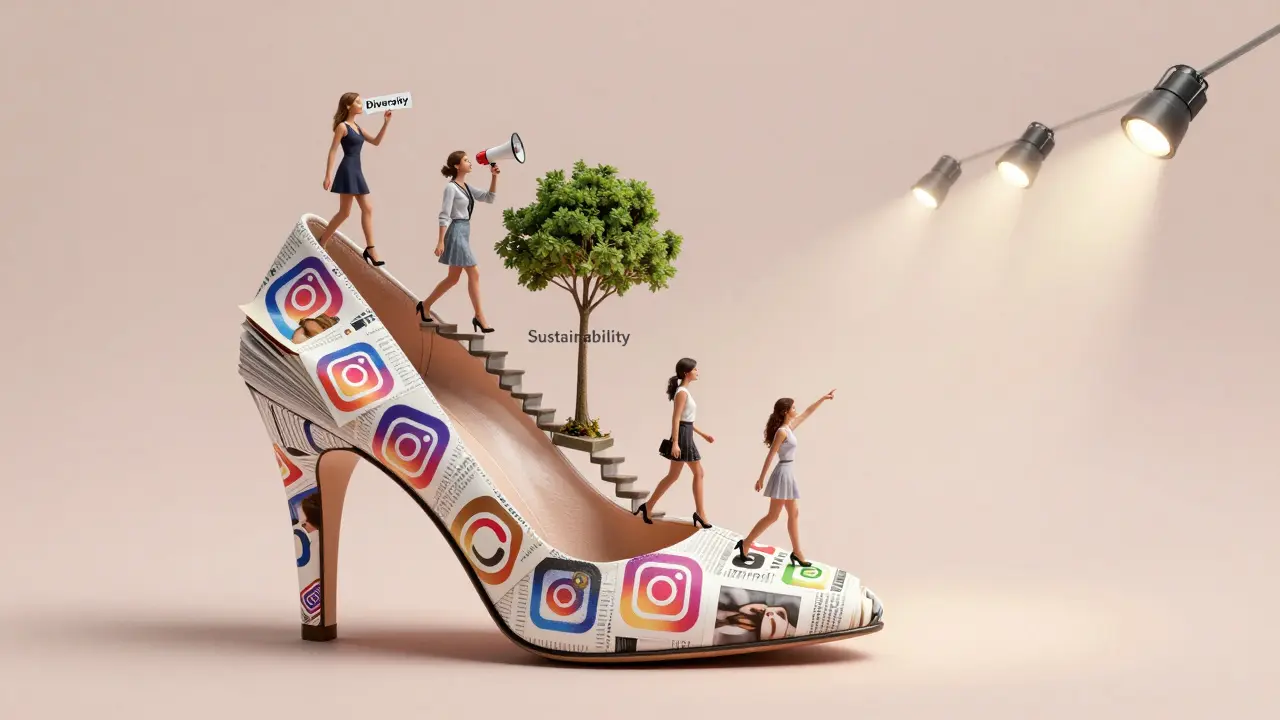
When a supermodel wears a dress from a new designer, it’s not just a post-it’s a stamp of approval. When they speak on diversity, sustainability, or mental health, people listen. Because they’ve been in the room when the rules were made-and they’re the ones rewriting them now.
They’re not just selling products. They’re shaping values.
What Supermodels Taught Us About Confidence
Beyond fashion, supermodels taught the world something deeper: confidence isn’t about being perfect. It’s about owning your space.
Think about it. These women stood on runways under blinding lights, in front of thousands of cameras, and still walked like they owned the floor. No apologies. No hesitation. That’s power.
That’s the lesson that sticks. You don’t need to look like a supermodel to act like one. You just need to believe you belong-wherever you are.
Whether you’re walking into a job interview, giving a presentation, or just stepping out the door, remember: confidence isn’t about how you look. It’s about how you carry yourself. And that? That’s the real supermodel trait.
Supermodels vs. Influencers: The Key Differences
| Aspect | Supermodels | Influencers |
|---|---|---|
| Origin | Traditional modeling agencies, fashion weeks | Social media platforms (Instagram, TikTok) |
| Primary Platform | Magazines, runways, high-end campaigns | Instagram, YouTube, TikTok |
| Income Source | Brand contracts, runway fees, endorsements | Sponsored posts, affiliate links, merchandise |
| Industry Access | Exclusive access to top designers and editors | Open to anyone with engagement |
| Legacy | Defined by decades of industry impact | Defined by viral moments and follower count |
| Public Perception | Iconic, aspirational, timeless | Relatable, trendy, temporary |
Supermodels built careers on credibility. Influencers build them on connection. Both matter-but only supermodels have reshaped entire industries.
Frequently Asked Questions
Who was the first supermodel?
While the term "supermodel" became popular in the 1980s, many credit Lisa Fonssagrives as the first true supermodel. She rose to fame in the 1930s-50s, appearing on the covers of Vogue, Harper’s Bazaar, and Life magazine. But the modern supermodel era truly began with Linda Evangelista, Cindy Crawford, and Naomi Campbell in the late 1980s.
Why did supermodels become so famous?
Supermodels became famous because they broke the mold. They weren’t just models-they were personalities. They appeared on talk shows, starred in music videos, and signed million-dollar contracts. The media turned them into celebrities, and the public followed. Their confidence, style, and ambition made them symbols of a new kind of female power.
Are supermodels still relevant today?
Absolutely. While the path to fame has changed, today’s top models-like Adwoa Aboah, Kaia Gerber, and Anok Yai-carry the same influence. They don’t just wear clothes; they shape conversations around diversity, sustainability, and mental health. Their power comes from authenticity, not just looks.
What’s the difference between a model and a supermodel?
A model works in fashion-walks runways, does photo shoots. A supermodel becomes a household name. They earn global recognition, command high fees, appear in mainstream media, and influence culture beyond fashion. Supermodels are icons. Models are professionals.
Can someone become a supermodel today without being in magazines?
Yes. Social media has changed the game. Models like Bella Hadid and Hailey Bieber built massive followings before landing major magazine covers. But becoming a true supermodel still requires more than likes. It takes consistent work with top designers, global visibility, and cultural impact. Instagram gets you noticed. Legacy gets you remembered.
Final Thought: Beauty Isn’t a Size. It’s a Statement.
Supermodels didn’t just wear clothes. They wore messages. They said: You don’t have to fit in to stand out. You don’t have to be quiet to be powerful. You don’t have to be perfect to be beautiful.
That’s why they still matter. Not because they’re tall or thin or photogenic. But because they dared to be themselves-loudly, proudly, unapologetically.
And maybe, just maybe, that’s the real style lesson we all need to remember.