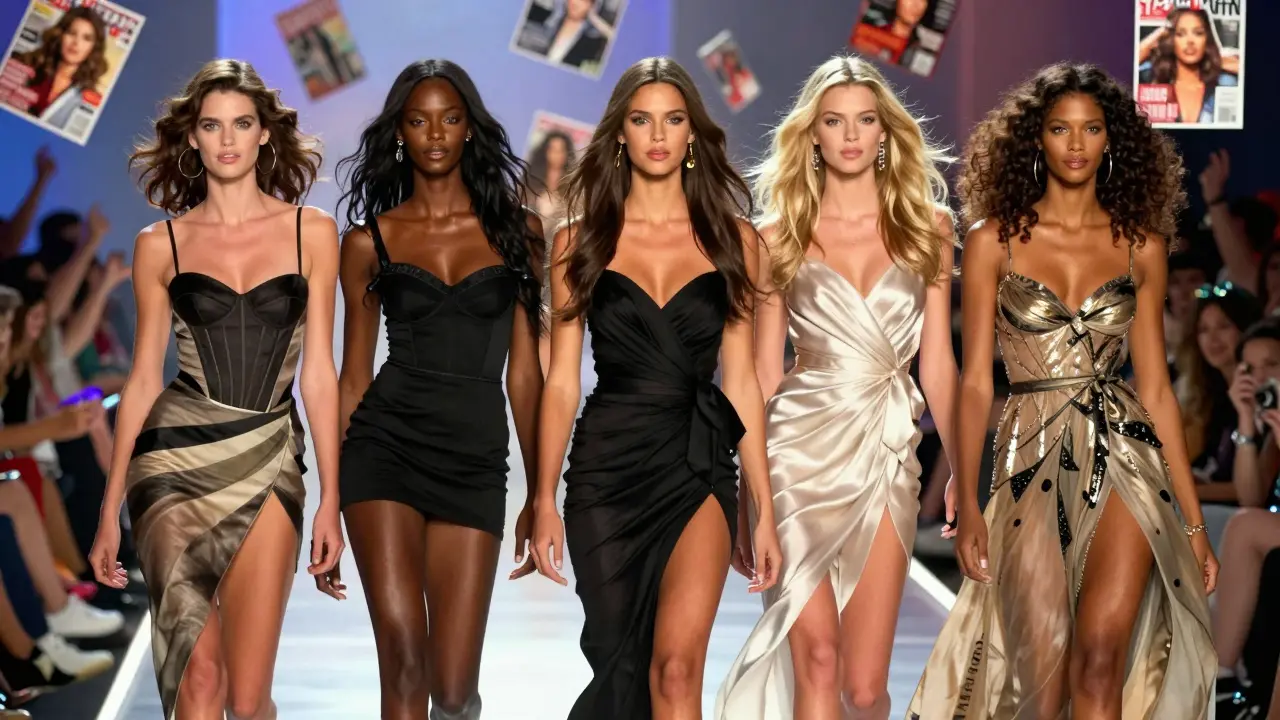
You’ve seen them on billboards, magazine covers, and runway shows flashing with blinding lights. They walk like they own the pavement, wear clothes that cost more than your rent, and somehow make it look effortless. These aren’t just models. They’re supermodels - the rare few who broke past the runway and became global icons.
Back in the ’80s and ’90s, being a model meant posing for catalogs. But then came a shift. A handful of women turned fashion into pop culture. They didn’t just wear clothes - they defined eras. They were on MTV, in Pepsi ads, on talk shows, and even in movies. And suddenly, fashion wasn’t just about style. It was about fame.
What Exactly Is a Supermodel?
A supermodel isn’t just a tall woman who walks in a show. There’s a formula - and it’s not just about looks. A true supermodel has three things: massive visibility, cultural impact, and earning power. They’re not just booked for one campaign. They’re the face of multiple global brands at once. Think Naomi Campbell walking for Chanel, then appearing in a Calvin Klein ad, then gracing the cover of Vogue, and finally starring in a fragrance commercial. All in the same year.
It’s not about how many photos they take. It’s about how many people recognize them. When you see a supermodel, you don’t just think “model.” You think “Cindy Crawford.” “Linda Evangelista.” “Claudia Schiffer.” Their names are brands themselves.
Why Supermodels Changed Fashion Forever
Before the supermodel era, fashion was quiet. Designers showed their collections to buyers. Magazines printed them for niche audiences. Models? They were background noise.
Then came the rise of media saturation. Television, glossy magazines, and early digital platforms turned models into celebrities. Designers realized something: a supermodel could sell more than a collection. She could sell a lifestyle. A look. A feeling.
Take Linda Evangelista’s famous quote: “We don’t wake up for less than $10,000 a day.” That wasn’t just arrogance. It was a power move. She wasn’t asking for money - she was redefining value. Suddenly, models weren’t just hired hands. They were negotiators. Stars. CEOs of their own image.
Brands started paying millions for a single campaign. Cover shoots became events. The supermodel wasn’t just part of the show - she *was* the show.
The Golden Era: Who Made It Big?
The late ’80s to late ’90s was the golden age. Five women dominated. They weren’t just popular - they were unstoppable.
- Cindy Crawford - The freckled face of Pepsi, Calvin Klein, and countless magazine covers. She had the girl-next-door charm with a rockstar edge.
- Naomi Campbell - The first Black supermodel to grace the cover of French Vogue. Her walk was electric. Her presence, magnetic.
- Linda Evangelista - The queen of the high-fashion shot. Her hair, her expression, her confidence - all perfection.
- Claudia Schiffer - The German beauty who became the face of Versace and Chanel. She made elegance look easy.
- Tyra Banks - She didn’t just model. She broke barriers. Then she built a media empire with America’s Next Top Model.
These women didn’t just work. They transformed. They became the first models to own their image, negotiate contracts, and launch their own lines. Tyra didn’t just walk - she created a platform for future models. Naomi didn’t just pose - she became a cultural symbol.
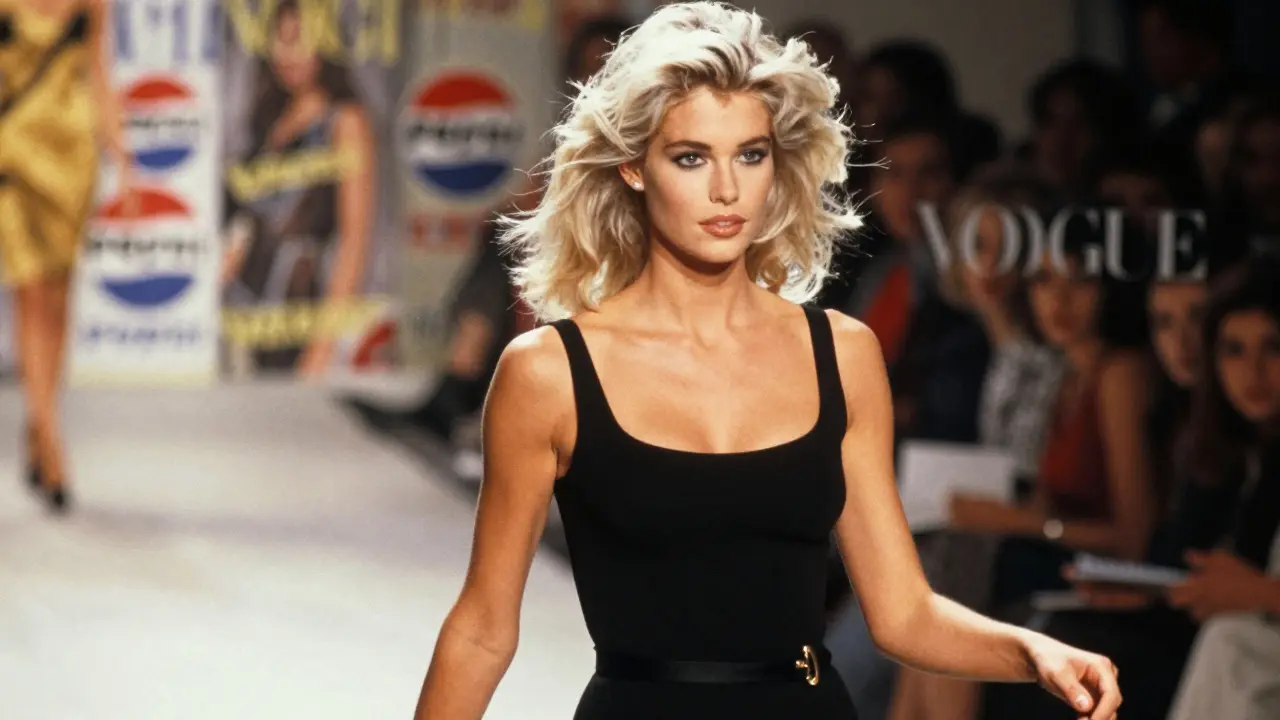
Are There Supermodels Today?
People say the supermodel era is over. And yes - the industry changed. Social media killed the monopoly. Now, anyone with 500K followers can be a “model.” But here’s the truth: supermodels didn’t disappear. They evolved.
Kendall Jenner? She’s walked for Chanel, opened for Victoria’s Secret, and has a $10 million deal with Estée Lauder. Gigi Hadid? She’s on magazine covers, runs a clothing line, and has billions of social media impressions. Bella Hadid? She’s the face of YSL Beauty.
These women aren’t just models. They’re entrepreneurs. They have deals with makeup brands, clothing lines, and even production companies. They don’t wait for jobs - they create them.
And they’re still earning what supermodels earned in the ’90s - if not more. A top model today can make $500,000 for a single campaign. Some, like Irina Shayk, earn over $10 million a year.
What It Takes to Be a Supermodel Now
It’s not just about height, jawline, and runway walk anymore. Today’s supermodel needs:
- A massive social media following (10M+ on Instagram isn’t rare)
- A personal brand (you need to be more than just a face - you need a story)
- Business sense (negotiating deals, managing teams, launching products)
- Global appeal (you’re not just popular in the U.S. - you’re trending in Brazil, Japan, and Nigeria)
- Resilience (the industry is brutal. You need thick skin and a strong support system)
The old rules still apply: you need to be photogenic. You need to carry clothes like they’re second skin. But now? You also need to be a content creator, a marketer, and a brand strategist.
Supermodels vs. Regular Models: The Difference
Not every model is a supermodel. Here’s how they differ:
| Aspect | Supermodel | Regular Model |
|---|---|---|
| Visibility | Global - featured in Vogue, Harper’s Bazaar, billboards, TV ads | Local or niche - catalog, local brands, small fashion shows |
| Income | $1M-$10M+ per year | $10K-$100K per year |
| Brand Partnerships | Multiple global brands (Chanel, Estée Lauder, Nike) | One or two local or emerging brands |
| Public Recognition | Recognized by name - even by non-fashion people | Known only in fashion circles |
| Longevity | Decades-long career; often become entrepreneurs | Typically 3-7 years before moving on |
What Happens After the Supermodel Era?
Many think the career ends when the runway fades. But the best supermodels don’t fade - they reinvent.
Cindy Crawford started a wellness brand. Naomi Campbell launched a charity for African youth in fashion. Tyra Banks built a TV empire. Gigi Hadid co-founded a sustainable fashion line.
They didn’t just walk. They built. And that’s the real legacy of a supermodel: they didn’t just wear the clothes. They changed the game.
Frequently Asked Questions
Are supermodels still relevant today?
Absolutely. The term "supermodel" has evolved, but the impact hasn’t. Today’s supermodels aren’t just on runways - they’re on Instagram, launching makeup lines, producing TV shows, and negotiating multi-million-dollar contracts. The platform changed, but the power didn’t.
Can a model become a supermodel overnight?
No. Supermodels aren’t made in a season. It takes years of consistent work, strategic branding, global exposure, and multiple high-profile campaigns. Even today, it takes at least 3-5 years of top-tier bookings before someone earns the title.
Do supermodels still make more than regular models?
Yes - by a huge margin. A top supermodel can earn over $10 million in a year from campaigns, endorsements, and business ventures. Most regular models make under $100,000 annually, even if they work consistently. The gap isn’t just about pay - it’s about control. Supermodels own their image. Regular models usually don’t.
Why did the supermodel era end?
It didn’t end - it expanded. The rise of social media broke the monopoly of magazines and TV. Now, anyone can go viral. But the top 1% still dominate. The difference? Today’s supermodels build their own empires instead of waiting for designers to call.
Who is the highest-paid supermodel today?
As of 2026, Gigi Hadid and Kendall Jenner are among the top earners, each making an estimated $12-15 million annually from modeling, brand deals, and their own fashion lines. Irina Shayk also ranks in the top tier, thanks to her global campaigns with L’Oréal and Victoria’s Secret.