Key Takeaways
- The definition of a supermodel has evolved from just runway presence to global brand influence.
- Social media platforms like Instagram and TikTok now drive career longevity more than print contracts.
- Diversity in age, size, and ethnicity defines the modern landscape compared to the 1990s heyday.
- The business model shifts from agency exclusivity to independent entrepreneurship for top talent.
- Digital avatars and AI integration are emerging as part of the fashion narrative.
Remember when you thought being a supermodel meant strutting down a catwalk in Milan? That picture isn’t quite right anymore. We are living through a seismic shift in how we see beauty, influence, and fame. You might notice the faces on billboards today aren’t just taller than life; they feel closer to your daily life. This new era isn’t just about looking good; it’s about having a voice that moves markets.
Defining the Modern Supermodel
Supermodels are no longer defined solely by measurements. In the past decade, the industry realized that face alone couldn’t sell products in a digital world. Today, the term encompasses individuals who possess massive reach and engagement. Think of them less as mannequins and more as media moguls in their own right. They command fees that rival Hollywood actors, but they operate with a level of accessibility that celebrities rarely achieve.
This shift started roughly around 2015 and has accelerated by 2026. Traditional gatekeepers like magazine editors held less power. Instead, algorithms determined who was next big thing. If you can create content that resonates with millions, you bypass the old scouting systems. This democratization changed everything about who gets picked up for campaigns.
The Shift from Runway to Screen
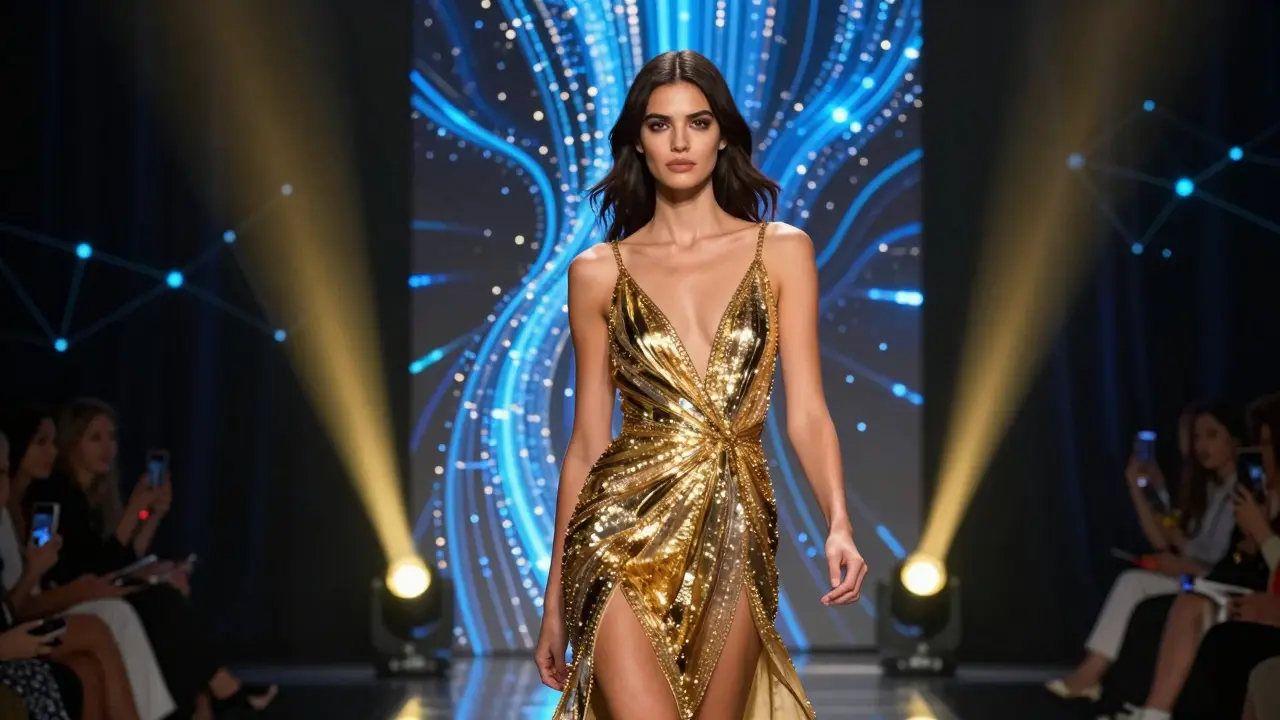
You’ve likely seen fashion shows on live streams instead of waiting for photos later. That immediacy creates a different kind of pressure. Models now need to perform for the camera, not just for front-row photographers. It requires a distinct skill set. Being photogenic was enough before; now, being dynamic on video is crucial.
Metric
1990s Standard
2026 Standard
Height
Strictly tall (5'9+)
Variety accepted
Engagement
Editorial Features
Social Reach & Conversion
Career Span
Short (Peak 20s)
Extended (30s, 40s, 50s)
Revenue Source
Walks & Print Ads
Influencer Partnerships & Brand Deals
Look closely at the data above. The metrics matter more than anatomy. Agencies look for "followers" and "engagement rates" just as seriously as hip-to-waist ratios. This change reflects the reality that luxury brands need conversion numbers, not just aesthetic alignment.

Key Players Leading the Change
There are specific figures who embody this transition. These aren’t just random names; they are the architects of the current system. They leveraged early access to digital tools to build empires.
- Legacy Icons: Some veterans managed to transition their classic fame into social dominance. They proved experience still sells.
- The Digital Natives: Younger talents grew up posting online. Their authenticity feels real because they never worked under the old rigid rules.
- The Entrepreneurial Class: Many launched their own skincare lines or clothing labels. This gives them leverage over traditional agencies.
When you look at the charts of earnings in 2025, you’ll find that the highest-paid ones often run parallel businesses. The money isn’t just coming from walking; it comes from endorsements where the model is the face and the founder.
Diversity and Real Representation
This is the biggest difference between then and now. You won’t find as much homogeneity in casting calls today. The conversation around body positivity pushed designers to cast real people. Plus-size models, older women, and those with visible disabilities appear on major runways like Paris Fashion Week.
This isn’t just political correctness; it makes economic sense. Consumers want to see themselves represented in the clothes they buy. If the marketing material looks nothing like the customer base, sales suffer. This feedback loop forces brands to adapt quickly.
The Economics of Influence
How does this impact the bottom line? A luxury campaign now costs differently. You aren’t paying for the walk; you’re paying for the audience behind the person. A post with 10 million followers is worth a full magazine spread in terms of raw exposure. However, quality engagement beats vanity metrics.
Contracts have changed too. In the old days, you were exclusive to an agency for five years. Now, many top-tier artists sign multi-year ambassadorships directly with brands. This cuts out the middleman fees. It empowers the individual to negotiate better deals.
Challenges in the New Landscape
Is it all sunshine and spotlights? Not exactly. The expectation for constant content creation burns people out. You have to be "on" every single day. There’s no off-season. Critics argue this leads to mental health issues among younger talent who haven’t learned the boundaries yet.
Privacy is another casualty. When your income depends on public perception, your private life becomes public property. Paparazzi follow you for content, and fans expect access. Balancing these boundaries is the hardest job of the new era.
Technology and the Future
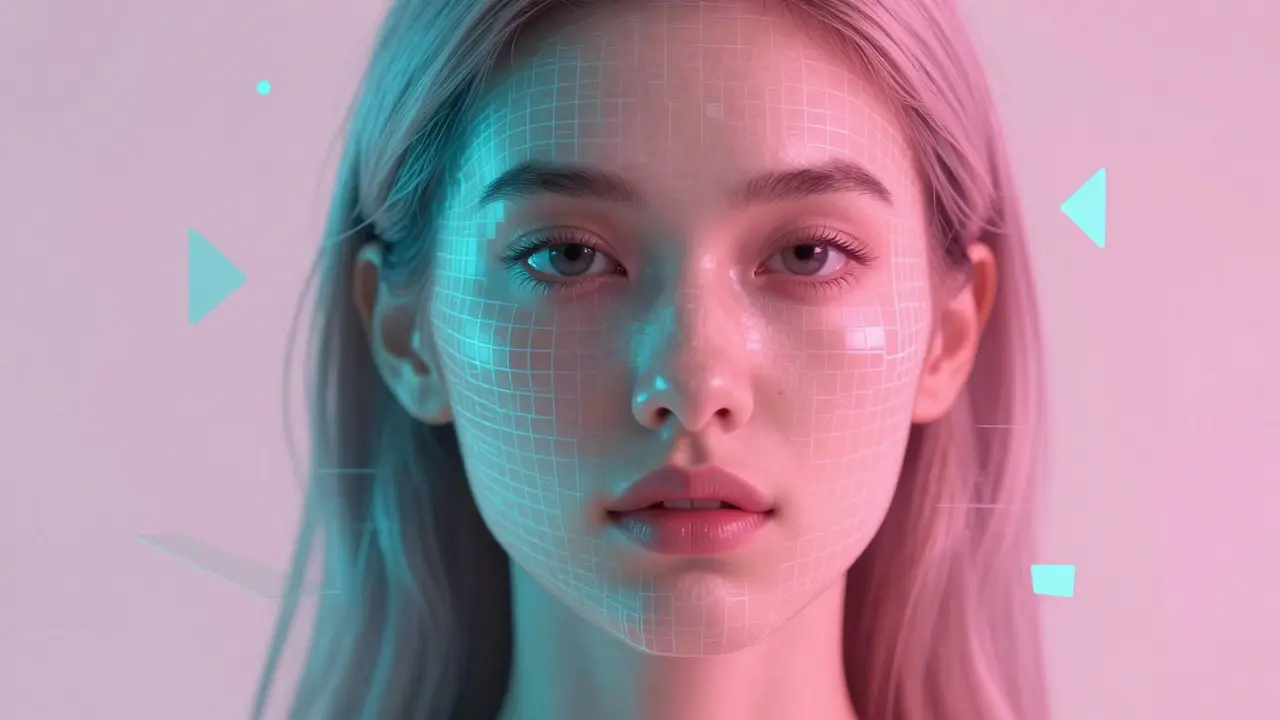
Looking ahead to late 2026 and beyond, digital avatars enter the chat. Virtual models exist now. They never age, never get tired, and look exactly the same every time. Some argue this threatens physical models. Others believe it opens up creative freedom.
We might see hybrids soon. A physical model wearing a digital outfit for a virtual show, or an AI clone doing the bulk of influencer work while the human handles the live appearances. It sounds sci-fi, but tech giants are already testing this.
Summary of Trends
To wrap up the core shifts, the power dynamic flipped. Agencies used to hold the leverage. Now, the talent holds it. If you are watching this industry, keep an eye on independent brand launches by models. That’s where the real value sits right now. The glamour hasn’t disappeared; it’s just become more complex and multifaceted.
What makes someone a supermodel today?
Unlike the 90s, where runway height and editorial features were key, today’s supermodels are defined by their social media influence, ability to launch personal brands, and capacity to drive sales through digital engagement.
Do agencies still matter for models?
They do, but less so for top talent. Top models now often manage their own businesses and negotiate directly with brands, while agencies remain vital for entry-level discovery and logistics.
How has diversity impacted the fashion industry?
Diversity has moved from a niche movement to a commercial necessity. Brands report higher sales when customers see diverse representation, leading to broader casting standards regarding race, age, and body type.
Will AI replace human models?
Completely replacing humans is unlikely due to consumer desire for authenticity, but AI will handle repetitive tasks like digital catalog generation and virtual try-ons.
What are the main risks for modern models?
The primary risks include burnout from constant content creation, loss of privacy, and the pressure to maintain a flawless online image which affects mental health.