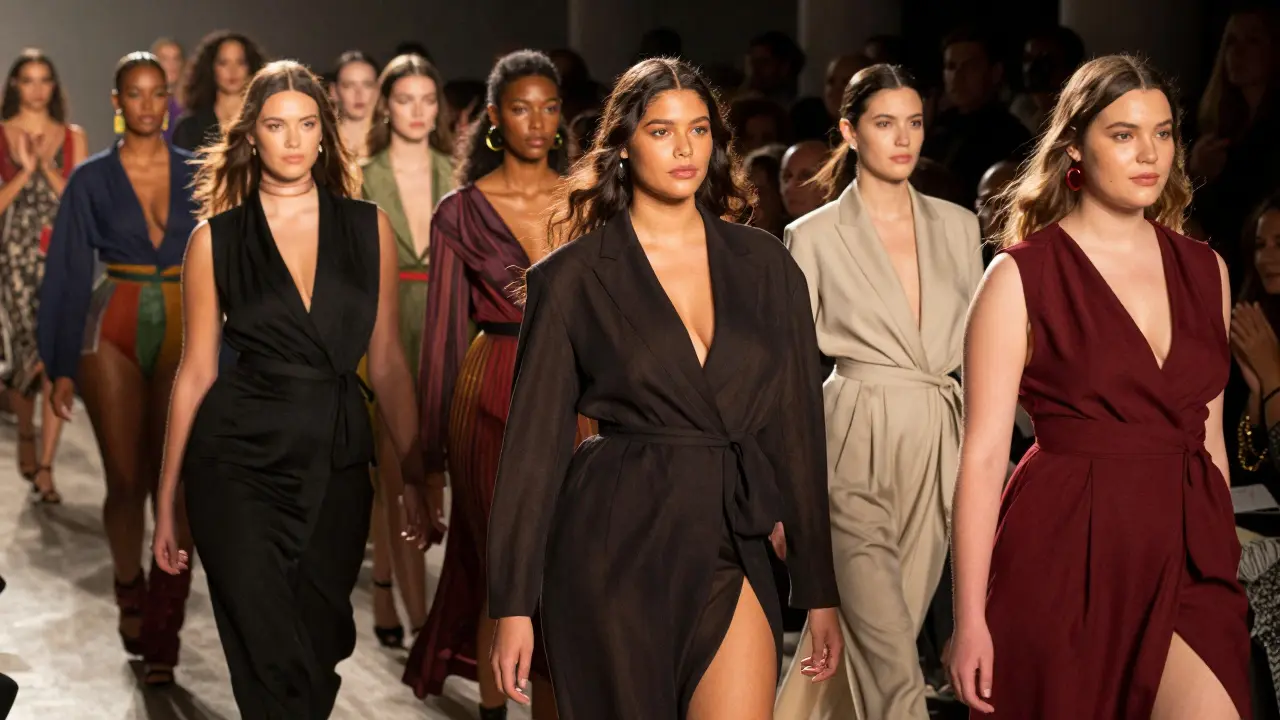
You’ve seen them on billboards, in magazines, walking runways in New York and Paris - women with curves, full hips, strong thighs, and natural waistlines. Not airbrushed. Not sized down. Just real. And they’re not a trend. They’re the future of fashion.
Why Curvy Models Matter Now More Than Ever
For decades, fashion told women there was only one way to look: thin. Thin hips. Thin arms. Thin everything. But here’s the truth: curvy models aren’t breaking into fashion. They’re rebuilding it.
Think about it. Over 68% of women in the U.S. and Australia wear a size 14 or above. Yet, until recently, runway shows featured less than 5% of models who weren’t sample size. That gap? It’s not just about numbers. It’s about dignity. It’s about seeing yourself reflected in the world you live in.
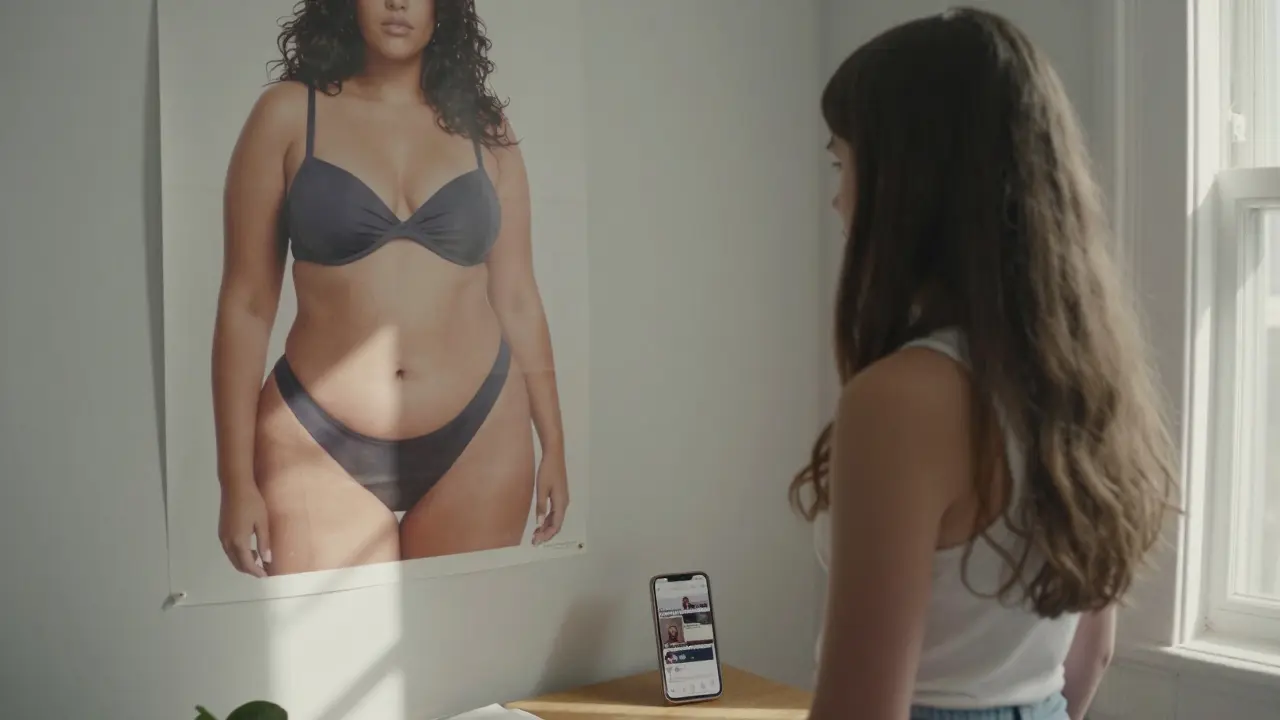
When a 16-year-old girl sees a curvy model in a swimsuit campaign - not hidden behind a curtain, not labeled "plus-size" like it’s a defect - she doesn’t just feel seen. She feels worthy. That’s not marketing. That’s healing.
What Exactly Is a Curvy Model?
A curvy model isn’t just a "plus-size" model. There’s a difference. Curvy models typically have a defined waist-to-hip ratio, fuller busts, and curves that follow natural body shapes. They’re not necessarily heavy - they’re proportioned. Think: curves that move, not just volume.
Most agencies now define curvy models as those who wear sizes 12 to 22 (US), with a minimum height of 5’7". But here’s the shift: brands are dropping rigid size limits. Some, like Savage X Fenty and Aerie, don’t use size labels at all. They just show real bodies.
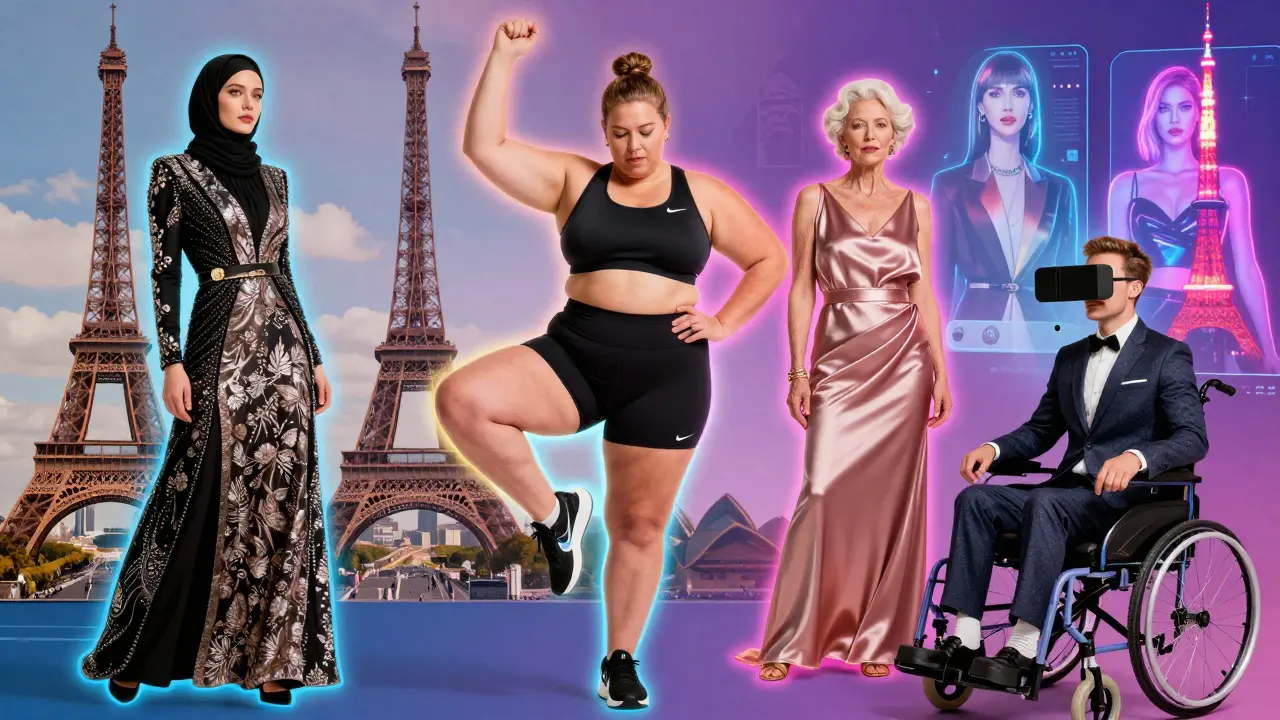
And it’s not just about being bigger. It’s about representation. Curvy models come in all skin tones, all ages, all abilities. Some have stretch marks. Some have scars. Some wear hijabs. Some use mobility aids. The new standard? Authenticity over perfection.
The Rise of Curvy Models: A Timeline
It didn’t happen overnight. In 2015, Ashley Graham became the first plus-size model on the cover of Vogue US. In 2017, Tess Holliday walked for Lane Bryant. In 2019, the Council of Fashion Designers of America (CFDA) started requiring diversity in casting for its events. By 2023, 31% of runway models in New York Fashion Week were curvy or plus-size - up from 8% in 2018.
Instagram changed everything. Curvy models like Lizzo, Paloma Elsesser, and Jameela Jamil didn’t wait for magazines to call. They built their own audiences. Millions followed. Brands noticed. Sales rose. Suddenly, being inclusive wasn’t just ethical - it was profitable.
Why Brands Are Betting Big on Curvy Models
Here’s the cold, hard fact: curvy women spend over $2 trillion annually on clothing, beauty, and lifestyle products. And they’re tired of being ignored.
When Universal Standard released their 00-40 size range, they didn’t just sell clothes. They sold freedom. Their sales jumped 400% in two years. When Target launched their inclusive line with curvy models in the ads, online traffic from women aged 25-45 spiked by 62%.
It’s not charity. It’s smart business. Curvy models aren’t a niche. They’re the majority. And brands that get it? They’re winning.
Where You’ll See Curvy Models Today
You don’t have to search far anymore. Curvy models are everywhere:
- High fashion: Gucci, Balenciaga, and Prada have featured curvy models in their campaigns since 2022.
- Beauty: Fenty Beauty, Rare Beauty, and Glossier use curvy models to show how foundation, lipstick, and skincare look on real skin.
- Activewear: Lululemon, Nike, and Girlfriend Collective now design for curves - not just fit, but movement.
- Advertising: Amazon, Walmart, and H&M use curvy models in their main ad campaigns, not just "special" collections.
- Runways: Sydney Fashion Week in 2025 had 42% curvy models on the runway - the highest in the world.
Even lingerie brands like Simone Perele and Cosabella now shoot campaigns in natural light, on real bodies, with no retouching. No more "before and after" edits. Just truth.
What’s Still Missing?
Don’t get me wrong - we’ve come a long way. But the fight isn’t over.
Many agencies still don’t represent curvy models over size 22. Many designers still design for a narrow range of body types, even if they hire curvy models to wear them. And too often, curvy models are only shown in "body positivity" campaigns - never in luxury, never in editorial, never in high-fashion editorials.
There’s still a double standard: thin models get to be elegant, mysterious, powerful. Curvy models? They’re often stuck in "happy," "fun," or "relatable" roles. Where’s the curvy model in a black-tie gown? On a motorcycle? Holding a briefcase? We need more than just visibility. We need variety.
How to Support the Movement
You don’t need to be a model to be part of this change. Here’s how you can help:
- Follow curvy models on Instagram. Like, comment, share. Algorithms reward engagement.
- Buy from brands that feature real bodies. Your wallet speaks louder than your words.
- Call out brands that use tokenism. If a campaign has one curvy model surrounded by thin ones - say something.
- Tag brands on social media: "Where’s the size 20 in your new collection?"
- Support local designers who make clothes for curves. They’re often the quiet revolution.
Change doesn’t start on a runway. It starts in your feed. In your cart. In your voice.
What’s Next? The Future Is Already Here
By 2030, experts predict that over half of all fashion campaigns will feature curvy or diverse body types. AI-driven sizing tools are already letting shoppers find perfect fits without guessing. Virtual try-ons? They’re showing how clothes look on 12 different body shapes - not just one.
And the next generation? They’re not waiting. Gen Z and Alpha are demanding inclusivity. They’ll walk away from brands that don’t reflect them. No second chances.
The future of fashion isn’t about being thin. It’s about being human. And curvy models? They’re not just part of that future. They’re leading it.
Are curvy models only for plus-size clothing?
No. Curvy models wear everything - from haute couture to athletic wear to swimwear. Major brands like Chanel, Zara, and Nike now feature them across all collections, not just "curvy" lines. The goal is to show that curves belong everywhere.
Why do some people say "curvy" is just a nicer word for "fat"?
It’s not. "Curvy" describes body shape - an hourglass, pear, or apple silhouette with defined curves. "Fat" is a medical term that describes body fat percentage. Many curvy models are fit, muscular, and healthy. The language matters because it shifts focus from weight to shape, and from judgment to celebration.
Do curvy models earn less than thin models?
Historically, yes. But that’s changing fast. Top curvy models like Ashley Graham and Paloma Elsesser now earn the same as top thin models - sometimes more. Brands are paying for reach, and curvy models often have higher engagement rates on social media. Pay gaps are shrinking, but they still exist at lower levels.
Can anyone become a curvy model?
There’s no single formula. Most agencies look for confidence, personality, and photogenic presence - not just size. Height, proportions, and how you carry yourself matter more than a number. Many curvy models started as influencers, not traditional models. The door is wider than ever.
Why is Australia leading in curvy model representation?
Australian fashion has always had a more relaxed, body-positive culture. Brands like David Jones and Myer have pushed for diversity since 2020. Sydney Fashion Week now mandates a minimum 40% diversity rate in casting. Plus, Australia’s population is more racially diverse, which naturally broadens the definition of beauty.