Curvy Models Are Redefining What Beauty Looks Like
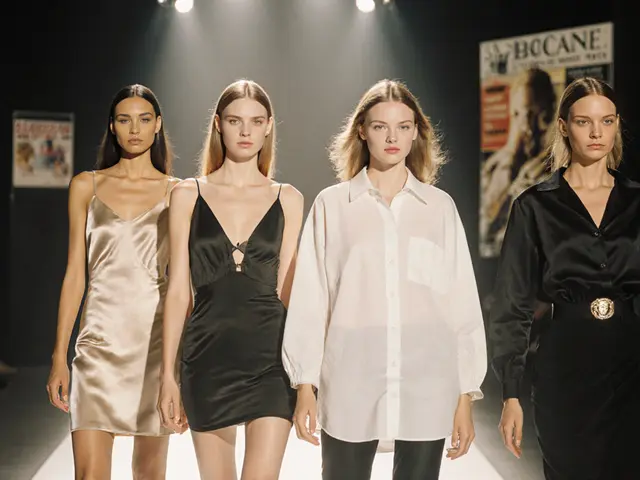
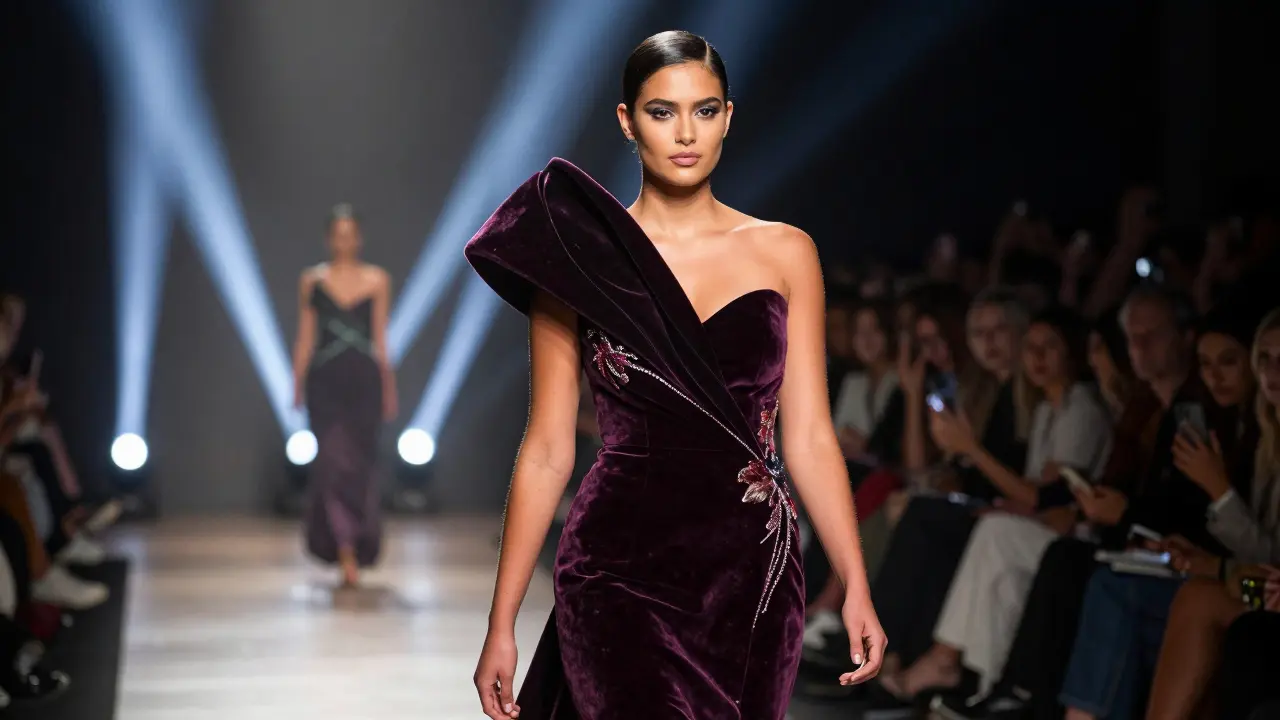
You’ve seen them on runways, in magazine spreads, and scrolling past you on Instagram-curvy models who don’t fit the old mold but own every inch of it. They’re not just models. They’re revolutionaries. And their presence isn’t a trend. It’s a reckoning.
For decades, fashion told us beauty had one shape: thin. Waistlines under 24 inches. Hips that barely curved. Legs like pencils. If you didn’t fit that, you were told you didn’t belong. But that story is over. Curvy models are tearing down those walls, one runway at a time.
What Exactly Is a Curvy Model?
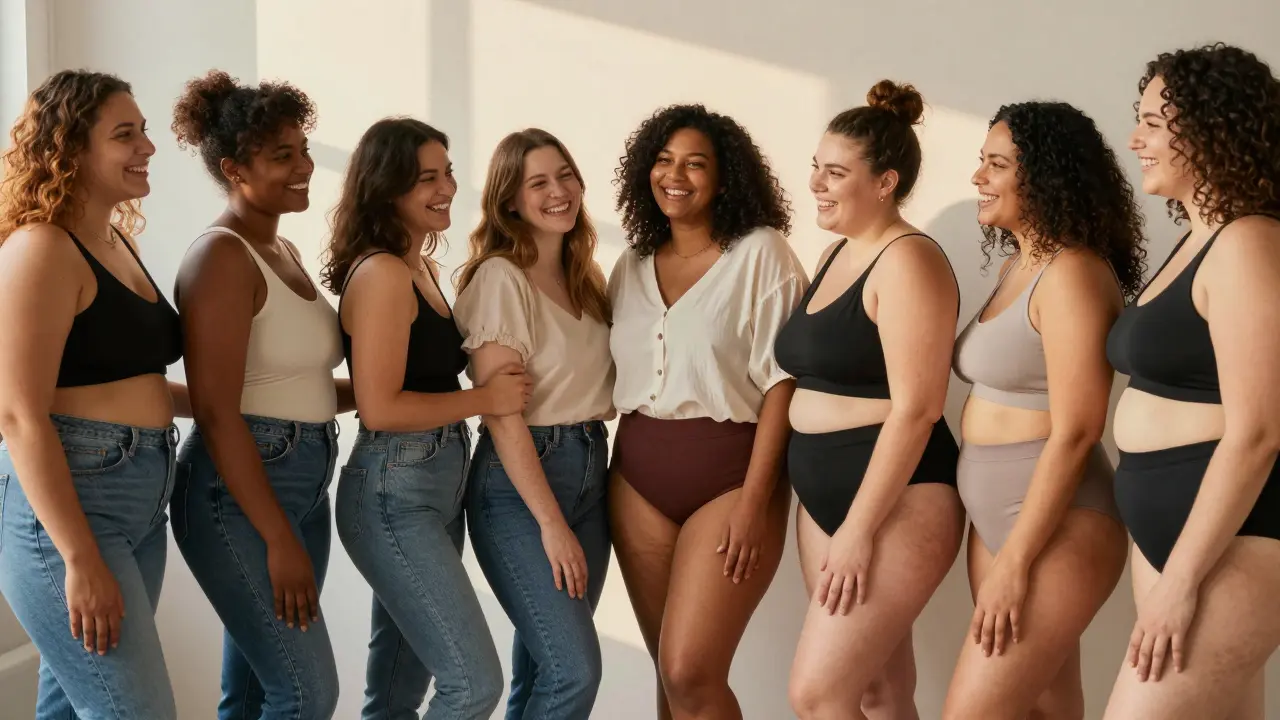
A curvy model isn’t just a woman who’s “bigger.” That’s lazy labeling. A curvy model typically wears a size 12 to 22 in U.S. sizing, with defined curves-hips, waist, and bust that create an hourglass or pear shape. But it’s not just about numbers. It’s about presence. Confidence. A body that moves, breathes, and commands attention without shrinking.
Brands like Savage X Fenty, Aerie, and Universal Standard don’t just hire curvy models because they’re “trendy.” They hire them because real women-70% of American women-are curvy. And they want to see themselves reflected in the clothes they buy. This isn’t charity. It’s commerce with conscience.
Why This Movement Matters
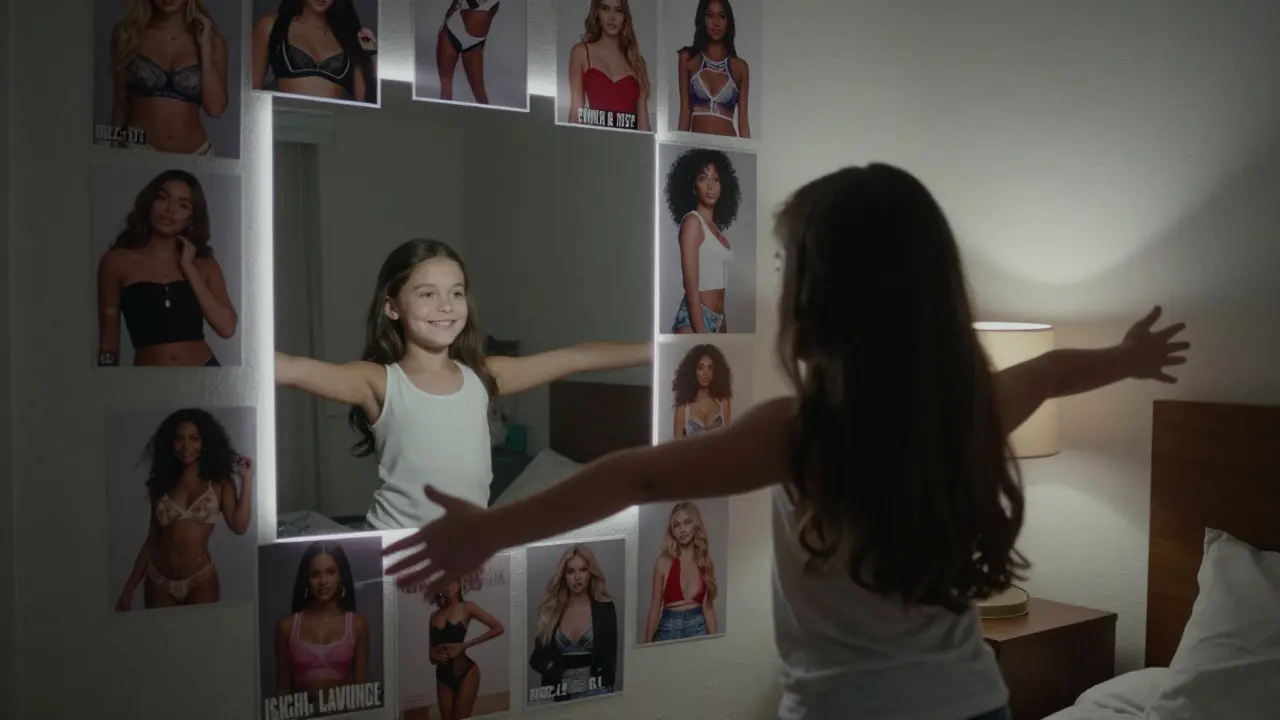
Think back to your teenage years. Did you ever look in the mirror and feel like something was wrong with you because you didn’t look like the girls in magazines? You weren’t alone. Studies from the National Eating Disorders Association show that exposure to thin-ideal imagery increases body dissatisfaction in young women. But when curvy models appear? That changes.
Research from the University of Cardiff found that seeing diverse body types in media reduces anxiety around body image. Girls who see curvy models feel less pressure to lose weight. Boys grow up seeing beauty as something wide, not narrow. That’s not just fashion. That’s mental health.
When Ashley Graham walked the Victoria’s Secret runway in 2016, she didn’t just wear lingerie-she broke a 20-year silence. That moment didn’t just make headlines. It made history.
Who Are the Trailblazers?
Curvy modeling didn’t start with Instagram. It started with women who refused to wait for permission.
- Ashley Graham-the first plus-size model on the cover of Sports Illustrated Swimsuit Issue in 2016. She’s since graced Vogue, Harper’s Bazaar, and walked for major designers like Oscar de la Renta.
- Robyn Lawley-an Australian model who pushed back against agencies that told her she was “too big.” She now works globally and speaks openly about eating disorder recovery.
- Iskra Lawrence-a body positivity advocate who turned her Instagram into a movement. Her candid posts about stretch marks and cellulite sparked global conversations.
- Jasmine Sanders-a model who broke barriers in high fashion, walking for Chanel, Fendi, and Louis Vuitton. She proved curvy doesn’t mean “not runway.”
These women didn’t wait for a seat at the table. They built their own table-and invited everyone else.
How the Industry Is Changing
It wasn’t always like this. In 2010, less than 5% of runway models were size 12 or above. Fast forward to 2025, and major fashion weeks in New York, London, and Milan feature at least 30% curvy models in their shows. Brands like Lane Bryant, Torrid, and even H&M and Zara now have dedicated plus-size lines with real models-not digital enhancements.
Even luxury brands are shifting. In 2024, Gucci cast a size 16 model in their global campaign. Chanel featured a curvy model in their Métiers d’Art show. These aren’t token gestures. They’re strategic moves. Consumers are voting with their wallets. And they’re choosing brands that show real bodies.
The numbers don’t lie: The global plus-size fashion market is projected to hit $350 billion by 2028. That’s not a niche. That’s the mainstream.
What’s Still Missing?
Progress isn’t perfect. There are still gaps.
Most curvy models are still thin-thin-meaning they’re curvy but still have low body fat, toned arms, and minimal cellulite. Where are the models who are truly full-figured? The ones with stretch marks, sagging skin, or disabilities? Where are the Black, Indigenous, and Latina curvy models who aren’t just used as “exotic” tokens?
And let’s not forget age. Most curvy models are under 30. Where are the 40-, 50-, and 60-year-old curvy women? They’ve been invisible for too long.
The movement isn’t over. It’s just getting started.
How to Support the Movement
You don’t have to be a model to be part of this change.
- Follow curvy models on social media-not just for the photos, but for their stories. Support them by commenting, sharing, and tagging brands.
- Buy from inclusive brands-choose companies that show real bodies in their ads. Don’t reward those who only use digital slimming.
- Call out tokenism-if a brand features one curvy model in a sea of thin ones, call it out. Real inclusion means more than one.
- Stop commenting on bodies-whether it’s “You look amazing!” or “Why do you wear that?”-comments on bodies reinforce the idea that bodies are public property.
Change doesn’t come from runways. It comes from you.
Curvy Models vs. Traditional Models: A Real Comparison
| Aspect | Curvy Models | Traditional Models |
|---|---|---|
| Typical Size Range | US 12-22 | US 0-6 |
| Body Shape | Hourglass, pear, apple | Rectangular, stick-thin |
| Market Share in Fashion | 30%+ of campaigns | Declining-under 40% |
| Media Representation | Rising fast in magazines, ads, social media | Still common but increasingly criticized |
| Public Perception | Seen as authentic, relatable | Seen as outdated, unrealistic |
| Brand Demand | High-drives sales | Low-brands are shifting |
Frequently Asked Questions
Are curvy models only for plus-size brands?
No. Curvy models are now in high fashion, luxury brands, and mainstream retailers. You’ll find them in campaigns for Gucci, Nordstrom, Target, and even Apple. The idea that they only belong in “plus-size” sections is outdated. Real bodies don’t fit into boxes.
Do curvy models have to be fit or toned?
No. While some curvy models are athletic, many aren’t. The movement isn’t about being “healthy” by old standards-it’s about being visible. A woman with soft curves, stretch marks, or a body that doesn’t look like a fitness influencer deserves representation just as much. Beauty isn’t a workout routine.
Why do some people say curvy models are “not real models”?
That’s the old guard talking. For years, modeling agencies controlled who got seen, and they favored one body type. But today, consumers decide what’s real. If millions of people connect with a curvy model’s image, that’s real modeling. Talent isn’t defined by size-it’s defined by presence, charisma, and how well you sell the clothes.
Can a woman become a curvy model if she’s not a size 12?
Yes. The industry is expanding. Some brands now use “body diversity” models who are size 6-16. Others look for personality over numbers. If you have confidence, charisma, and a unique look, agencies are listening-even if you’re not a size 18.
Is this movement just for women?
No. The movement is expanding to include curvy men, non-binary models, and people with disabilities. Brands like TomboyX and Savage X Fenty now feature male models with broader builds. Beauty has no gender. Representation has no limits.
What Comes Next?
The next chapter isn’t about adding more curvy models to the runway. It’s about making the runway irrelevant.
Imagine a world where every brand shows real bodies-no filters, no shrinking, no excuses. Where a 50-year-old woman with stretch marks and gray hair can be the face of a luxury perfume. Where a man with a soft belly sells men’s underwear without shame. Where kids grow up seeing beauty in every shape, color, and age.
That world isn’t fantasy. It’s already being built. And you’re part of it.